We have a particular set of tools. We find it. We remove it.

Your photo can say more than you think.
See it. Remove it. Verify it.

Images can carry information you never see — EXIF, GPS, dates, device details, creator information, editing software and AI provenance such as C2PA / Content Credentials. MetaTaken inspects what is attached, removes supported metadata from a separate copy, and verifies the result locally on Windows with no image upload. Your original stays untouched.

Local Windows processing No image uploads No account No app telemetry
MetaTaken application showing image inspection results and Full Metadata Clean controls.
Actual MetaTaken v0.3.0-rc2 application interface.
DropAdd images, folders or batches.
InspectSee what is attached in plain language.
CleanCreate a separate cleaned copy.
VerifyAutomatically check the result.

Why would I use MetaTaken?

Before you share the image, know what else you might be sharing.

You do not need to know what EXIF, XMP or C2PA means. These are everyday situations where hidden image information can matter.

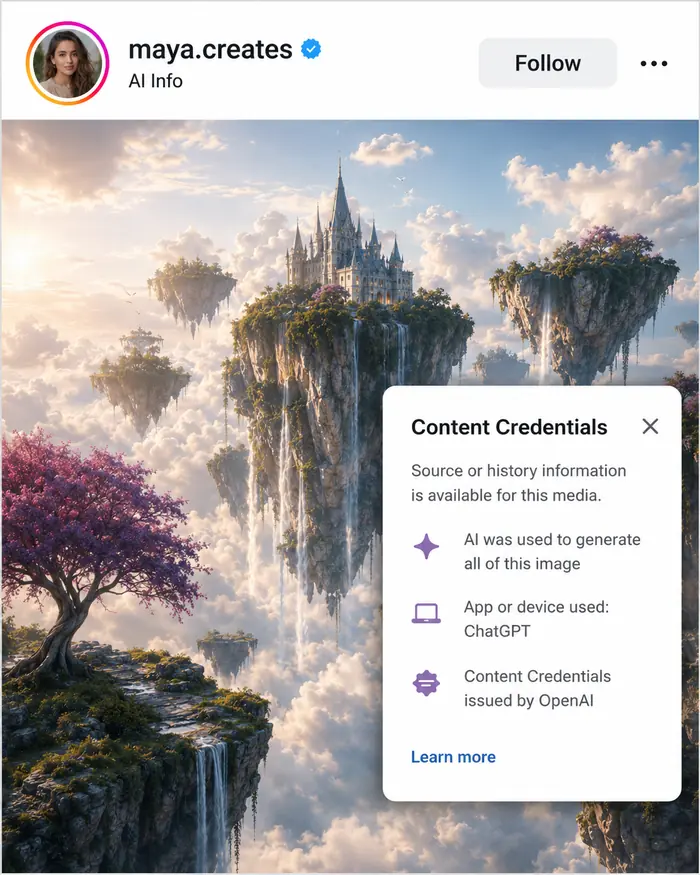
An AI-generated fantasy image in a social-style post with Content Credentials information.

AI-created or AI-edited images

Images made or edited with AI can carry Content Credentials, C2PA provenance and generator metadata. Full Metadata Clean can remove supported embedded credentials before you share, which can prevent metadata-based “AI content” labels when a platform relies on those signals. Platforms may also use their own detection.

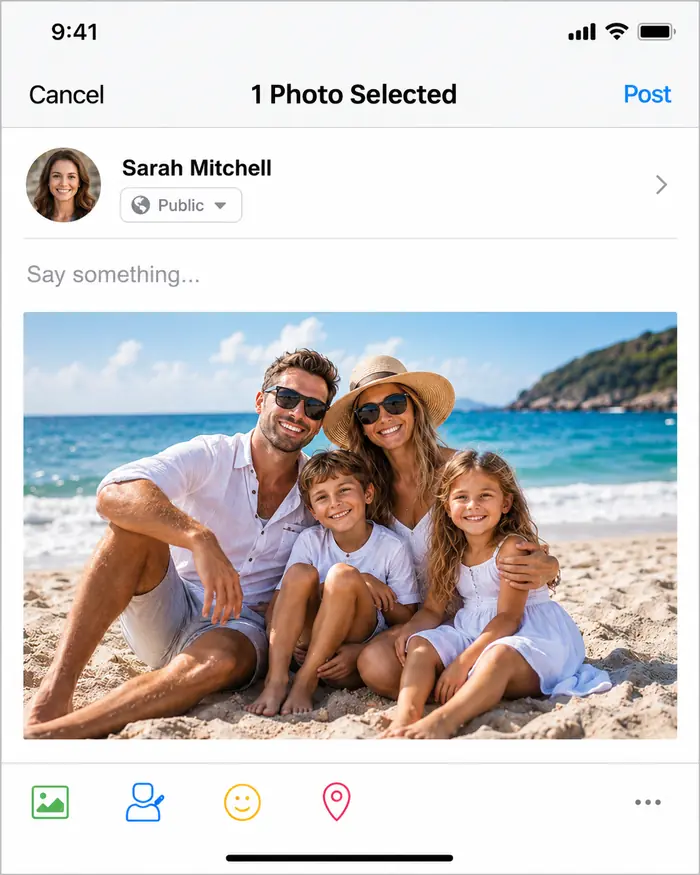
A social post composer with a family beach photo ready to post.

Posting on social media

Before you hit Post, see what the file is carrying — location, dates, device details, creator information and editing history.

A stack of family birthday photos with a privacy lock icon.

Sharing personal photos

Share the picture without unnecessarily sharing where it was taken, what device you used, account details or editing history.

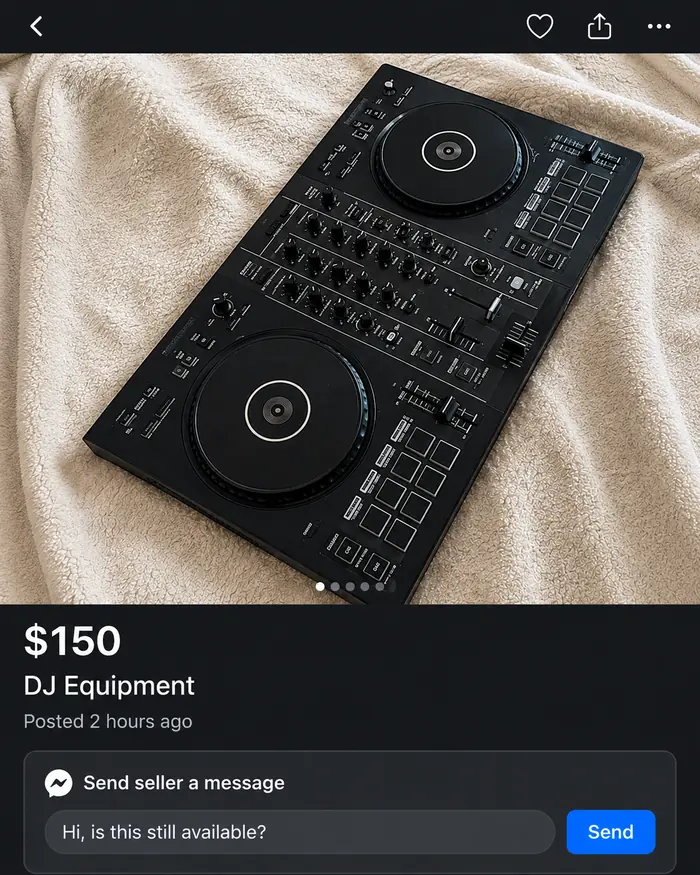
A generic marketplace listing for DJ equipment priced at $150.

Selling something online

Photos taken at home can carry location, date and device details. MetaTaken lets you check what is attached before the listing goes public.

The MetaTaken workflow

Four steps. That's it.

Power underneath, simplicity above. MetaTaken keeps the main workflow deliberately small.

01

Drop

Add individual images, multiple folders, subfolders or a batch.

02

Inspect

See findings grouped into understandable categories, with technical detail available when you want it.

03

Clean a copy

Choose Privacy Clean or Full Metadata Clean. MetaTaken creates a new cleaned copy and leaves the original untouched.

04

Verify

The cleaned copy is inspected again, with decoded-pixel comparison where supported.

Choose how far to go

Look first. Remove private information. Or clean everything we safely can.

The main choices stay simple. MetaTaken handles the technical detail underneath and explains the result afterwards.

LOOK

Inspect Only

See what MetaTaken can identify without changing the file.

  • Location, dates, device and creator information
  • Editing software and AI / provenance findings
  • No file modification
FULL

Full Metadata Clean

Go further and remove all safely removable metadata MetaTaken supports.

  • EXIF, XMP, IPTC and embedded metadata
  • Supported C2PA / Content Credentials / JUMBF provenance
  • Generator, software and creator information

Your original stays yours

Your original is never cleaned in place or overwritten.

MetaTaken creates a separate output copy, removes the selected metadata from that copy, then automatically re-inspects it. Where supported, decoded image pixels are compared before and after so MetaTaken can report whether pixel content remained unchanged.

Original file preserved Separate cleaned copy created Output re-inspected Pixel content checked where supported

Conservative by design

MetaTaken doesn't pretend.

Some image structures are unusual, proprietary or too risky to rewrite blindly. When the evidence isn't strong enough, MetaTaken says so.

That means a file can be marked Review instead of being called clean when something remains, is uncertain, or cannot be safely verified.

CleanRequested cleaning and verification passed.
No changes neededNothing targeted by the selected mode needed removal.
!
ReviewSomething remains, is uncertain or needs attention.
×
FailedThe requested operation or required verification did not complete.

What MetaTaken looks for

You don't need to know what EXIF means.

MetaTaken translates technical metadata into things people actually recognise. Raw detail is there when you want it, not forced on you first.

Where it was taken · GPS When it was taken · timestamps What device took it Who created or edited it Descriptions & comments Software & generator information Embedded thumbnails & previews AI / Content Credentials EXIF · XMP · IPTC JUMBF & other removable metadata

Image support

Built for the formats people actually use.

MetaTaken supports the image formats people actually use, with more added only when we can clean and verify them safely.

JPEG / JPG PNG / APNG WebP Animated WebP GIF HEIC / HEIF / HIF

HEIC/HEIF/HIF decoded-pixel verification depends on compatible Windows WIC/codec support for the specific file.

Additional image formats may be added in future releases where they can be supported reliably.

Local by design

Your images stay on your PC.

MetaTaken's image inspection, cleaning and verification workflow runs on your Windows PC. There is no MetaTaken cloud image-processing service receiving your files.

No image uploads No cloud image processing No account required No application telemetry

You do not have to rely on a server-retention promise for the image-processing step: the image is not sent to a MetaTaken processing server.

A useful distinction

Metadata isn't the same as a watermark.

MetaTaken cleans supported metadata and provenance structures. It does not claim to remove pixel-level watermarks.

SynthID Not tested / detection unavailable This is not evidence that SynthID is absent.

Freeware for Windows

Ready to see what your images are carrying?

MetaTaken v0.3.0-rc2 is the current accepted release candidate and is available now as a portable Windows x64 download.

RC2 pre-release · Windows x64 · Portable Download MetaTaken View release notes and checksum on GitHub.

Quick answers

FAQ

Does MetaTaken upload my images?

No. The desktop image-processing workflow is designed to inspect, clean and verify supported images locally on your computer, with no cloud image-processing path.

Does MetaTaken overwrite my originals?

No. MetaTaken never cleans an image in place or overwrites your original. Cleaning creates a separate output copy, and an existing cleaned output is not silently overwritten.

Will cleaning remove the date my photo was taken?

It can. Privacy Clean targets timestamps, and Full Metadata Clean removes supported metadata more broadly. That can include the photo's capture date where it is stored as removable metadata. Your original is never overwritten, so the original file keeps its original metadata.

Does MetaTaken change the picture itself?

MetaTaken changes metadata structures in the cleaned copy, but it does not intentionally alter image pixels. After cleaning, decoded pixel content is compared where supported and the result is reported rather than assumed.

Can MetaTaken remove AI Content Credentials and help avoid an “AI content” label?

Yes, Full Metadata Clean targets supported C2PA / Content Credentials / JUMBF provenance and generator metadata. When a platform applies a label from those embedded credentials, removing them can prevent that metadata-based label from following the cleaned file. Platforms may also use independent detection methods, so MetaTaken cannot guarantee how every service will classify every upload.

Can MetaTaken remove AI detection from an image?

MetaTaken can remove supported file-level AI provenance and metadata signals such as C2PA / Content Credentials, JUMBF and generator metadata. It cannot guarantee what an independent platform classifier will decide, and it does not claim to remove pixel-level watermarking such as SynthID. See the full explanation.

Why use a local Windows app instead of an online metadata remover?

MetaTaken's image-processing workflow runs on your PC, so there is no MetaTaken cloud image-processing service receiving the file. Some web tools also process locally in-browser, while others upload files; MetaTaken deliberately uses a desktop workflow with no image upload, no account and no app telemetry. Read about local processing.

Does MetaTaken remove SynthID?

No claim is made about removing pixel-level watermarking such as SynthID. Current SynthID status is: Not tested / detection unavailable.

Does “Clean” mean my image is guaranteed anonymous?

No. MetaTaken reports what it can detect, remove and verify. It deliberately uses Review, Failed, Unsupported or uncertain outcomes when stronger claims are not justified.

Why would a file show Review?

Review means something remains, is uncertain, is structurally protected, or could not be safely handled or verified. MetaTaken prefers that over a false Clean result.

Is MetaTaken free?

Yes. MetaTaken for Windows is proprietary freeware: free to download and use.